Good sleep is not just about your mattress. If your sheets trap heat, your pillow does not match your sleep position, or your comforter is too heavy for your room temperature, even a decent bed can feel wrong. The best bedding for better sleep is the setup that solves your actual comfort problem first instead of pushing you into a full bedroom makeover you do not need.
For most people, the smartest path is to upgrade bedding in layers: start with temperature control, then pressure relief and support, then finishing pieces like blankets or mattress toppers. That approach is more affordable, easier to shop, and much more useful from a buyer standpoint than chasing the most expensive “luxury bedding” set you can find.
If you are still dialing in the rest of your sleep setup, our guides to best pillows for sleeping, best mattress toppers, and best mattresses for side sleepers can help you narrow the right next move.
What “best bedding for better sleep” really means
The right bedding should help you do at least one of these things better:
- Stay at a more comfortable temperature through the night
- Reduce friction or irritation on sensitive skin
- Keep your neck, shoulders, and hips in a more supported position
- Make your bed easier to maintain and wash consistently
- Create a sleep environment that feels calm instead of cluttered or fussy
That is why “best” depends on your sleep style. A hot sleeper usually gets more value from breathable sheets and a lighter comforter than from a plush topper. A side sleeper with shoulder pain may notice a bigger change from a pillow and topper upgrade. A renter or dorm shopper may care most about easy-care bedding that holds up in shared laundry rooms.
Quick decision guide: which bedding upgrade should you buy first?
| If your biggest issue is… | Upgrade first | Why it usually helps most |
|---|---|---|
| Sleeping hot or waking up sweaty | Breathable sheets | Fabric and weave affect airflow and moisture management every night |
| Neck stiffness or shoulder discomfort | Pillow | Your pillow controls head and neck alignment more directly than sheets or blankets |
| Mattress feels slightly too firm or tired | Mattress topper | A topper can add pressure relief without replacing the whole mattress |
| Too cold, too heavy, or inconsistent warmth | Comforter or duvet insert | The fill and weight change how trapped heat feels across the night |
| Bed feels messy and hard to maintain | Easy-care sheet set + washable bedding basics | Simple maintenance often improves sleep consistency more than luxury finishes |
The bedding pieces that matter most for better sleep
1. Sheets: your most-used comfort layer
Sheets have the biggest day-to-day impact because they sit directly against your skin. If you regularly overheat, look for breathable materials like cotton percale, linen, or some well-made bamboo-derived blends. If you want a smoother hand-feel and less drag on skin or hair, sateen can feel more comfortable, though some sleepers find it warmer.
Key things to compare when shopping:
- Material: Cotton is versatile and easy to care for; linen breathes well but looks more relaxed; bamboo-derived viscose often feels silky and cool.
- Weave: Percale usually feels crisper and airier; sateen usually feels smoother and slightly warmer.
- Pocket depth: Important if you use a thick mattress or topper.
- Care: Machine-washable, low-shrinkage sets are more realistic for daily life.
Sleep Foundation’s bedding guide is useful for comparing how different sheet materials and weaves affect comfort and temperature regulation: Sleep Foundation bedding guide.
2. Pillow: the highest-payoff fix for support issues
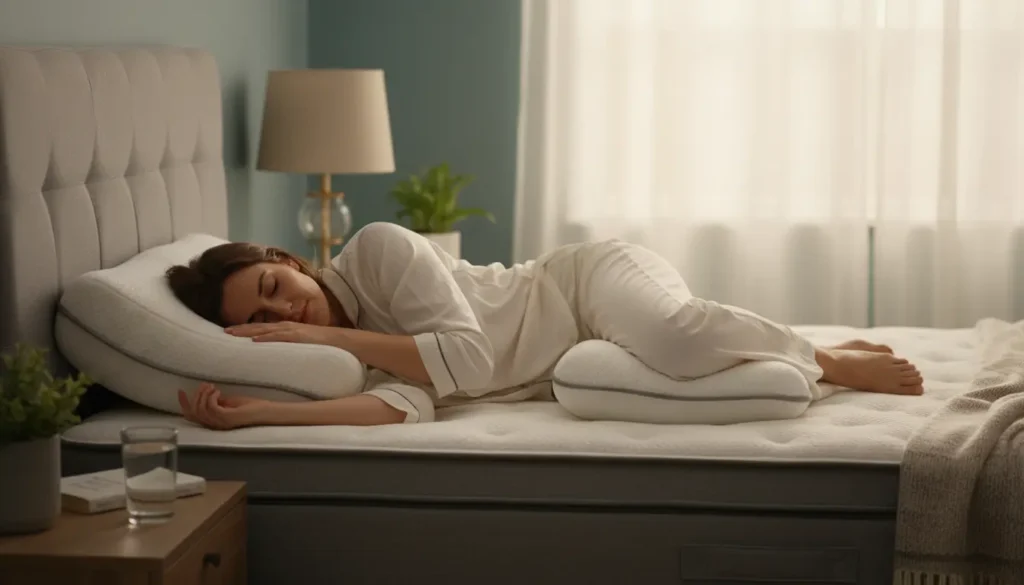
When buyers say they want “better sleep,” they often actually need better support. If you wake up with a sore neck, numb shoulder, or a pillow that constantly needs fluffing, your pillow may be the weakest link. Side sleepers usually need more loft and support than back sleepers, while stomach sleepers often do better with lower loft and softer compression.
If that sounds like your issue, a targeted pillow upgrade is a smarter spend than a decorative bedding bundle. Our best pillows for sleeping guide is a good place to narrow options by sleep style rather than by hype.
3. Mattress topper: best when the mattress is close, but not quite right
A topper is the most practical bedding purchase when your mattress is still usable but not especially comfortable. It can add softness to a firm bed, a little cushioning to pressure points, or modest temperature help depending on the material. It will not fix a sagging or badly worn mattress, but it can absolutely extend the life of a decent one.
This category makes sense for shoppers who want a visible comfort upgrade without the cost of a full mattress replacement. If that is your situation, see our mattress topper guide before you overspend on premium bedding that will not solve the real issue.
4. Comforter or duvet insert: warmth control matters more than fluff
Many people buy a comforter based on how it looks folded at the foot of the bed. That is understandable, but it is not how to choose bedding for better sleep. The better questions are:
- Do you run hot, cool, or fluctuate?
- Do you live in a warm climate, a cold climate, or use strong air conditioning?
- Do you prefer a light drape or a heavier cocooned feel?
- Do you need something easy to wash at home?
Hot sleepers usually do better with lighter, more breathable comforters or duvet inserts. Colder sleepers may prefer more loft or a layering system with a lighter comforter plus an added blanket they can remove seasonally.
5. Sleep accessories: nice to have, but not always first-priority
Blankets, mattress protectors, pillow protectors, silk pillowcases, and sleep masks can all make sense, but they should support your main problem, not distract from it. A silk pillowcase is nice. It is not the first place to spend if your bed still traps heat and your pillow collapses flat by midnight.
Best bedding for better sleep by sleeper type
For hot sleepers
- Prioritize percale cotton, linen, or breathable bamboo-derived sheet sets
- Choose lighter comforters or duvet inserts with better airflow
- Avoid overly plush layering if you already wake up warm
- Look for moisture-wicking pillow fills or breathable pillow covers
If overheating is the main reason you toss and turn, your bedding should help with airflow first and aesthetics second.
For side sleepers
- Start with a supportive pillow that keeps the neck level
- Consider a topper if the mattress creates shoulder or hip pressure
- Use sheets with enough depth if your bed already has a topper
We already break this out in more detail in our side sleeper mattress guide, but the short version is simple: alignment and pressure relief matter more than decorative extras.
For sensitive skin or texture-sensitive sleepers
- Look for softer, lower-friction fabrics
- Avoid rough-feeling blends that pill quickly
- Choose bedding that washes well without becoming scratchy
- Keep detergent and care routine simple and consistent
Comfort is not just about softness on day one. It is about how the bedding feels after repeated washing.
For budget shoppers, renters, and dorm setups
- Buy the highest-impact layer first instead of a full matching set
- Choose machine-washable, durable basics over delicate prestige fabrics
- Focus on one or two real problems: heat, stiffness, or maintenance
- Skip oversized bedding pieces that are annoying to wash in shared machines
That same practical mindset works well if you are building a calm, more functional room overall. For lighter visual upgrades, our boho bedroom ideas post covers style choices that feel warm without making the room feel busy.
How to judge bedding quality without getting fooled by marketing
Good bedding is easy to overspend on because the category is full of vague claims. Instead of chasing buzzwords, compare these specifics:
- Material composition: What is it actually made from?
- Construction: Is the stitching, fill distribution, or elastic depth practical?
- Care requirements: Will you realistically wash it the way the label requires?
- Temperature fit: Does it match your room and climate?
- Return policy: Bedding can be subjective, so flexible returns are useful.
Good Housekeeping’s bedding testing overview is helpful if you want to understand how editors compare sheets, pillows, comforters, and accessories across durability and comfort factors: Good Housekeeping bedding testing guide.
A simple bedding setup that works for most adults
If you want a practical starting point instead of a huge shopping list, this is a sensible baseline setup:
- One breathable sheet set matched to your sleep temperature
- One pillow matched to your primary sleep position
- One comforter or duvet insert that fits your room temperature, not just winter conditions
- Optional topper only if your mattress comfort is the actual issue
- Mattress and pillow protectors if easy maintenance matters to you
That setup is easier to maintain, easier to replace selectively, and more trustworthy from a buyer standpoint than a full “everything at once” bundle.
Common bedding mistakes that make sleep worse
- Buying very heavy, warm bedding when you already sleep hot
- Choosing a pillow for softness alone instead of support
- Ignoring fitted-sheet depth after adding a topper
- Prioritizing color and trendiness over washability and comfort
- Keeping old scratchy or pilled bedding because it still “looks okay”
Also worth remembering: sleep quality is shaped by more than products. Basic sleep hygiene still matters, including a consistent sleep schedule and a comfortable sleep environment. The CDC has a useful summary here: CDC sleep hygiene basics.
Final takeaway
The best bedding for better sleep is not the most expensive set on the page. It is the bedding that fixes your main friction point: overheating, poor support, too much weight, irritating fabric, or a bed that is annoying to keep clean. Start with the layer that solves the biggest problem first, then build from there. That gives you a better chance of sleeping comfortably and a much lower chance of wasting money on bedding that only looks good in product photos.
Disclosure: This article may contain affiliate links. If you buy through our links, we may earn a commission at no extra cost to you.