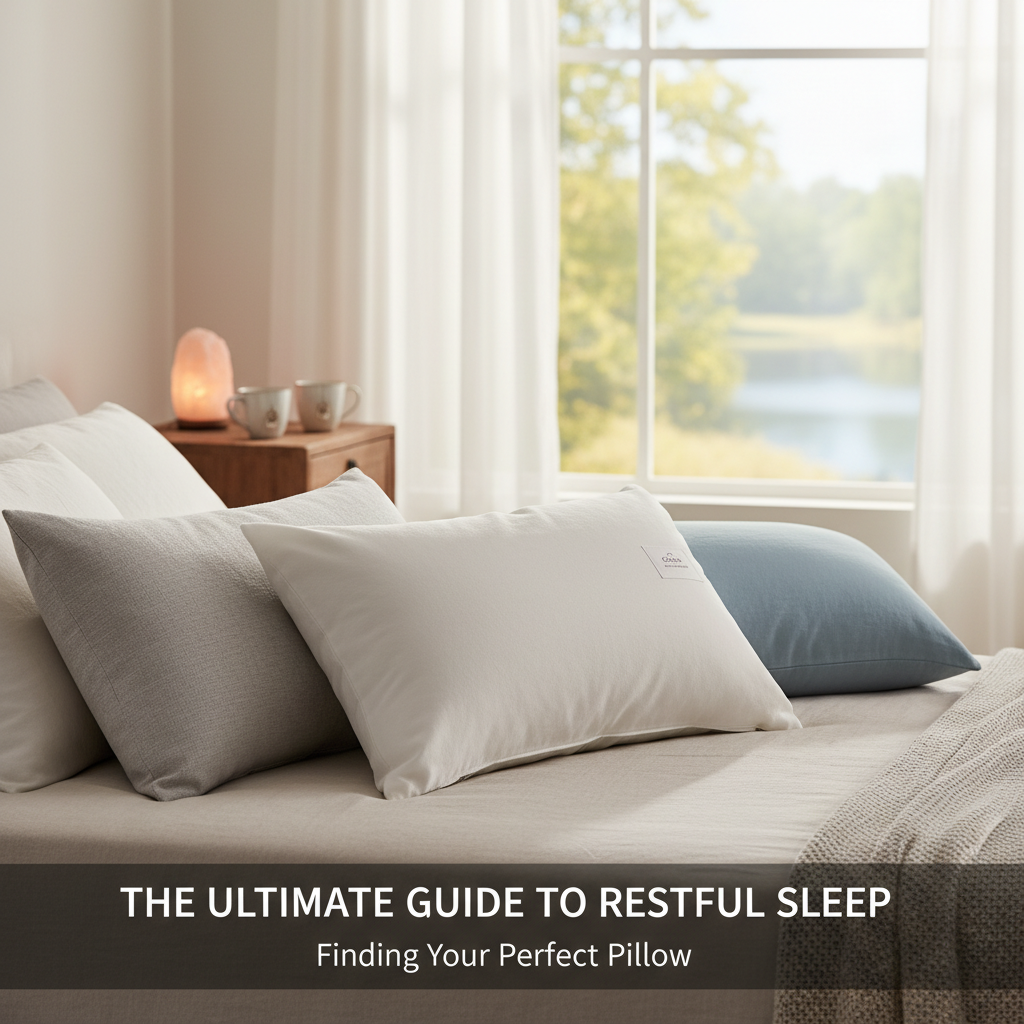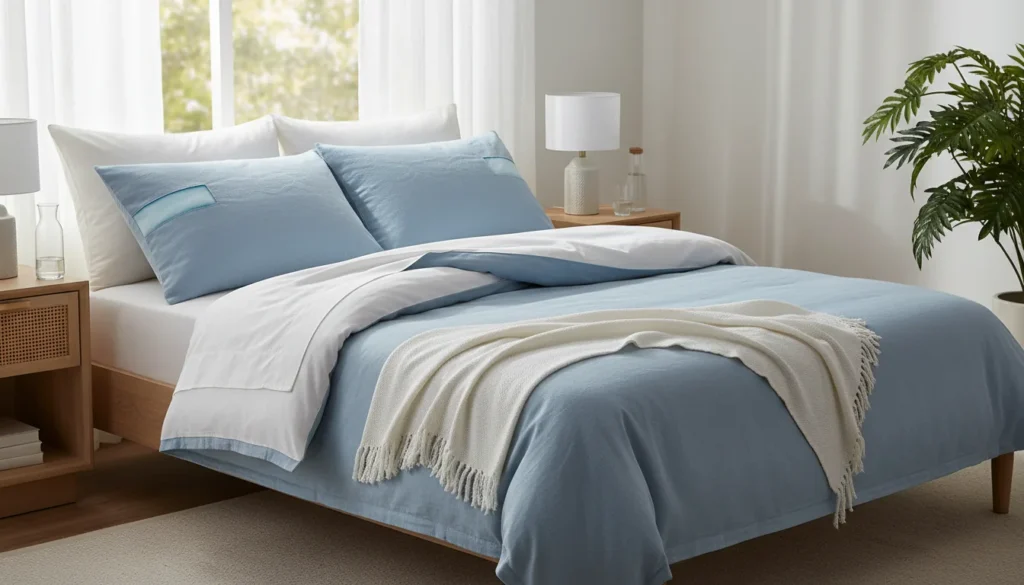
Sleeping hot can turn even a decent mattress into a bad night. If your head and neck are overheating, the problem is often not your whole bed setup?it is your pillow?s fill, cover, and loft. The best cooling pillows do not just feel cool for five minutes when you lie down. They help reduce heat buildup, hold their shape through the night, and match the way you actually sleep.
That matters because ?cooling? gets used as a catchall marketing word. Some pillows rely on a cool-touch outer fabric that feels nice at first contact but does not solve trapped heat. Others use more breathable fills, ventilated foam, shredded foam, latex, or moisture-managing covers that can make a bigger difference over a full night.
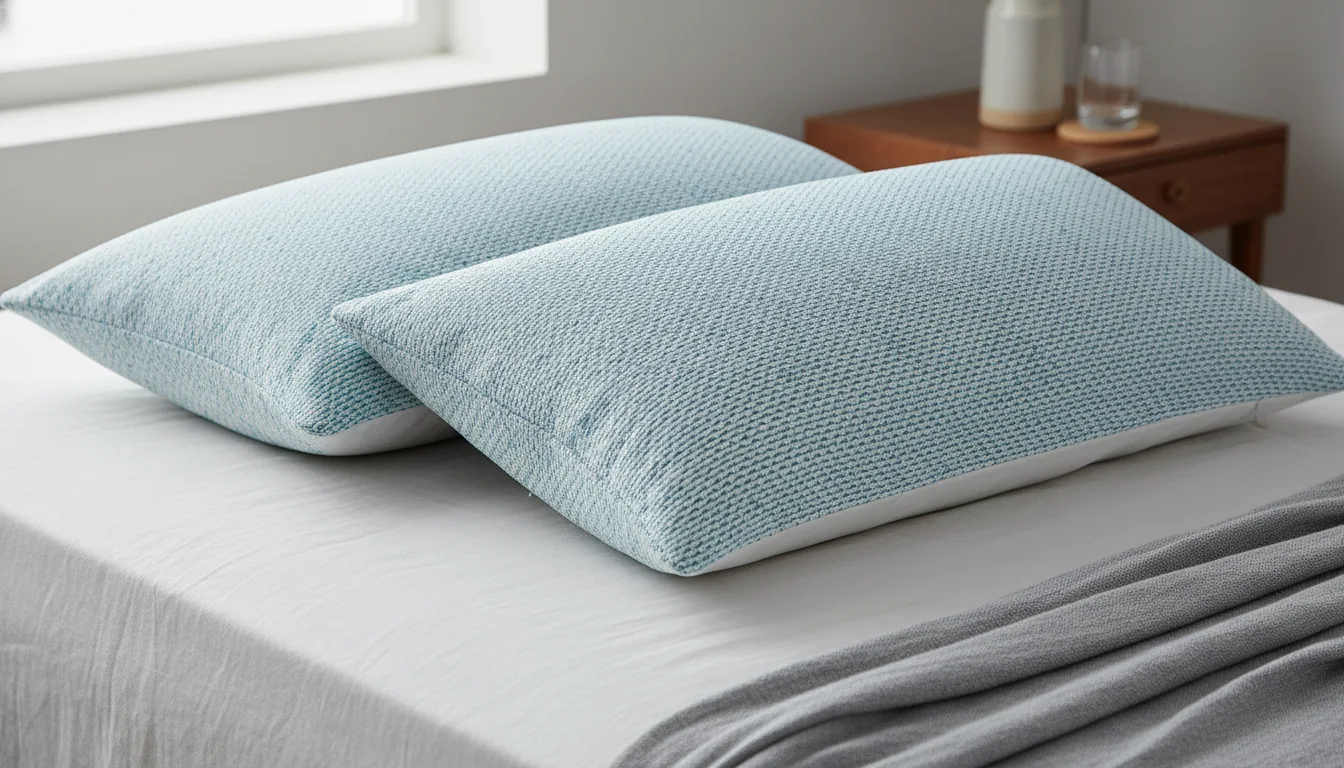
If you are refining the rest of your sleep setup too, our guides to best bedding for better sleep, best pillows for sleeping, and best mattress toppers can help you solve the full comfort equation rather than buying random upgrades.
What makes a pillow actually sleep cooler?
The coolest pillow is usually the one that traps the least heat relative to your sleep style. In practice, four things matter most:
- Fill type: Solid memory foam often holds more heat than latex, shredded foam, down alternative, or fiber blends with more airflow.
- Ventilation: Perforations, mesh gussets, and looser fills help air move instead of getting stuck around your face and neck.
- Cover fabric: Cotton, moisture-wicking knits, and breathable performance covers tend to feel less clammy than dense synthetic shells.
- Loft and support: If a pillow collapses flat, you may fold it or bunch it, which traps even more heat and adds neck strain.
Sleep Foundation?s overview of cooling pillow materials is useful here because it separates surface coolness from overnight temperature management: Sleep Foundation cooling pillow guide.
Quick buying guide: which cooling pillow type fits you best?
| If you need? | Best pillow type to start with | Why it usually works |
|---|---|---|
| More airflow and less heat buildup | Latex or shredded-foam pillow | These usually breathe better than dense solid foam blocks |
| Pressure relief with a cooler surface | Ventilated memory foam with breathable cover | Can still contour, but with better airflow than classic solid foam |
| Hotel-style softness without as much stuffiness | Down-alternative or fiberfill cooling pillow | Often lighter, fluffier, and easier to wash |
| Adjustable loft for combo sleeping | Adjustable shredded-fill pillow | You can remove fill until the height and firmness feel right |
| Side-sleeper support plus cooler feel | Supportive latex or adjustable medium-high loft pillow | Keeps the neck aligned without turning dense and swampy |
Best cooling pillows by sleeper type
For hot side sleepers
Side sleepers usually need enough loft to keep the head level with the shoulders. That means ultra-flat ?cooling? pillows often disappoint. Look for a medium-to-high loft pillow with breathable materials rather than a thin pillow marketed purely on cool-touch fabric. Adjustable shredded foam and responsive latex are often strong fits because they balance support and airflow better than mushy low-loft fills.
If shoulder or neck alignment is also an issue, a cooling pillow should still be judged as a support product first. A colder pillow that leaves your neck twisted is not a win.
For back sleepers
Back sleepers usually do best with medium loft and stable support. A pillow that is too tall can push the chin down, while one that is too soft can flatten and create heat pockets. Ventilated foam or structured fiberfill options often make sense here because they hold shape without feeling overly rigid.
For stomach sleepers
Most stomach sleepers need a lower-loft pillow, and sometimes a softer, more compressible one. Cooling matters, but so does keeping the neck from being overextended. Lightweight down-alternative or low-profile cooling fiber pillows are often easier fits than chunky foam models.
For combination sleepers
If you rotate between side and back sleeping, adjustability matters more than fancy branding. A pillow with removable fill lets you tune loft for your body rather than guessing from a firmness label.
Materials worth comparing before you buy
Latex
Latex pillows often earn strong marks from hot sleepers because they are springy, supportive, and generally more breathable than dense traditional memory foam. They can feel buoyant rather than plush, which some sleepers love and others do not.
Ventilated memory foam
Memory foam can still work for hot sleepers if it is ventilated, not too dense, and paired with a breathable cover. It usually offers more contouring than latex, which can be useful for sleepers who want pressure relief around the neck and shoulders.
Shredded foam or adjustable fill
This category is a strong practical choice because it often combines better airflow with customizable loft. The tradeoff is that lower-quality shredded fills can shift or clump over time.
Down alternative and fiberfill
These can feel lighter and airier, and they are often easier to wash. The downside is that some budget models flatten quickly, which hurts both support and cooling.
Good Housekeeping?s testing notes are helpful if you want a broader sense of what reviewers compare across comfort, washability, and shape retention: Good Housekeeping cooling pillow roundup.
Red flags when shopping for cooling pillows
- Only surface-cool marketing: A cool-touch cover is nice, but it should not be the whole story.
- No mention of loft or sleeper fit: Cooling alone does not solve bad alignment.
- Overly vague fill descriptions: If a listing hides what is inside, that is usually not a great sign.
- Poor care clarity: Hot sleepers benefit from easy-to-wash covers and maintainable materials.
- No trial or return policy: Pillow fit is subjective, so flexibility matters.
A smart cooling-pillow upgrade path
If your main issue is waking up sweaty around the head and neck, start with the pillow before replacing all your bedding. If you still sleep hot after that, then look at breathable sheets and a lighter comforter. That sequence is usually more cost-effective than buying an expensive sheet set first and hoping it fixes a pillow that traps heat.
For many bedrooms, the practical path looks like this:
- Choose a cooling pillow matched to sleep position and loft needs
- Add breathable sheets if the bed still feels stuffy overall
- Reassess your comforter weight for your room temperature and climate
- Only then consider bigger purchases like toppers or a mattress change
Frequently asked questions
Do cooling pillows really work?
Some do, especially when the design improves airflow and moisture management rather than relying only on a slick outer cover. The biggest gains usually come from better materials and shape retention, not gimmicks.
What is the best cooling pillow for side sleepers?
Usually a medium-to-high loft pillow with breathable support, such as latex or adjustable shredded fill. The best one keeps your neck aligned while still reducing heat buildup.
Are cooling pillows better than regular pillows for hot sleepers?
They can be, but only if they also fit your body and sleep position. A pillow that sleeps cooler but flattens out too much can still leave you uncomfortable.
Final takeaway
The best cooling pillows help hot sleepers in a specific, practical way: they reduce trapped heat without sacrificing support. Look past the ?instant cool? label and compare fill type, breathability, loft, washability, and return flexibility. The right cooling pillow should make your whole sleep setup feel easier to live with?not just colder for the first few minutes.
Disclosure: This article may contain affiliate links. If you buy through our links, we may earn a commission at no extra cost to you.