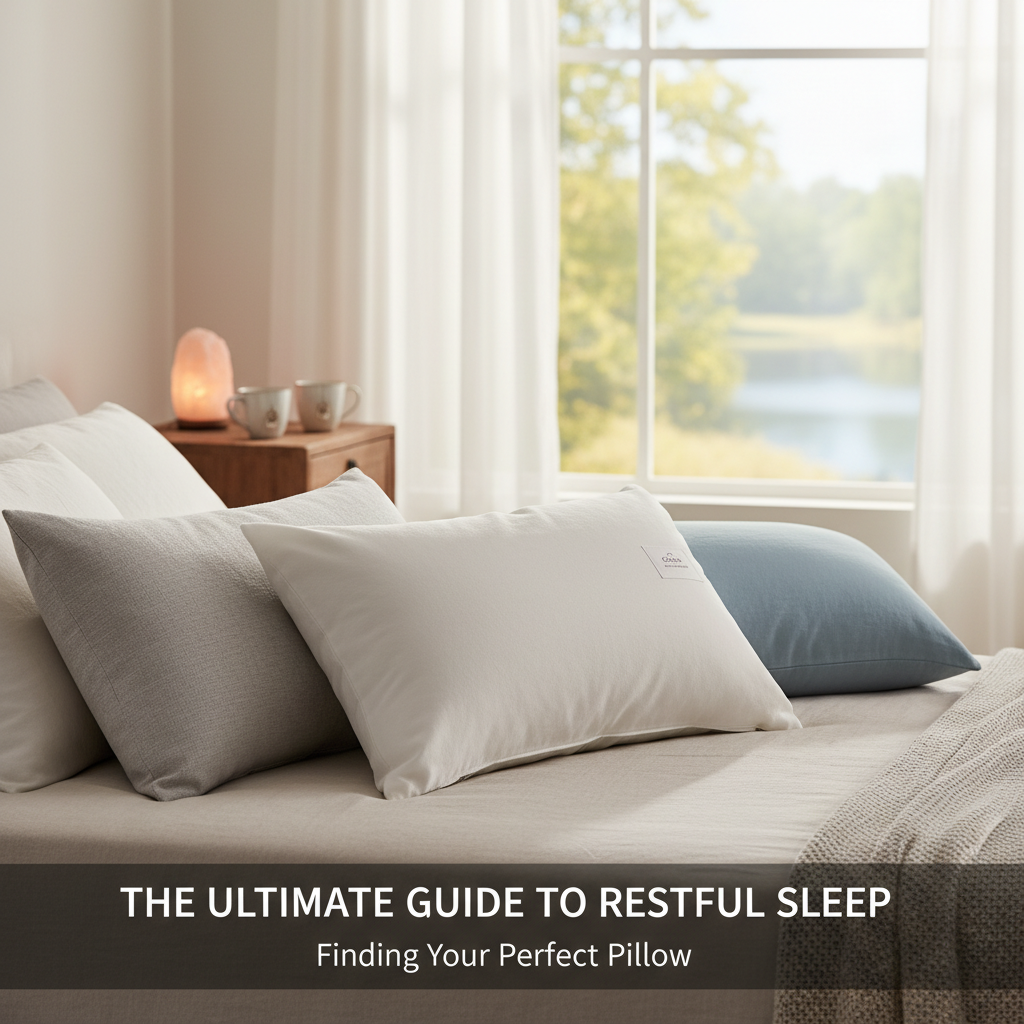
Disclosure: This guide is built to help you compare pillow types and buying criteria. It does not claim hands-on testing of every pillow sold online. The goal is better fit, cleaner decision-making, and more comfortable side sleeping.
The best pillows for side sleepers usually do three things at once: fill the gap between the head and mattress, keep the neck from bending awkwardly, and stay comfortable long enough that you are not flipping the pillow all night. That sounds simple, but it is exactly where many side sleepers waste money. A pillow can feel plush for five minutes and still be wrong for your frame, shoulder width, mattress firmness, or heat sensitivity.
If you sleep on your side most of the night, the job is not to buy the most expensive pillow or the one with the loudest cooling claims. It is to match loft, support feel, and adjustability to your body. Once those are right, extras like cooling fabric, machine washability, and return policy matter a lot more.

What side sleepers need most from a pillow
When you sleep on your side, there is a larger space between your head and the mattress than there is for back sleepers. That is why side sleepers usually need more loft and more pushback. Wirecutter notes that many side sleepers do best with roughly four to six inches of loft, and that broader shoulders generally need more height to keep the head and neck aligned. Good Housekeeping makes a similar point in its side-sleeper testing coverage: the right pillow should be thick enough to fill the gap between the head and shoulders, but not so thick that it tips the head upward.
- Loft: usually medium-high to high, depending on shoulder width and mattress softness.
- Support: enough structure to hold shape instead of collapsing flat by morning.
- Pressure relief: some softness around the ear and jaw so support does not feel punishing.
- Temperature fit: important if dense foam or stacked pillows make you run hot.
- Adjustability: especially helpful if you are between heights or changing mattresses soon.
How to choose the best pillow fill for your sleep style
Adjustable shredded foam
This is often the safest place to start if you are unsure about height. Adjustable fill lets you remove or add material until the pillow better matches your shoulder width and mattress. It is usually the best fit for shoppers who want one pillow to tune over time instead of gambling on a fixed shape.
Best for: side sleepers who are still figuring out their preferred loft, combination sleepers who lean side-dominant, and anyone who wants more customization.
Watch out for: slightly fussier setup and occasional lumpiness if the cover is flimsy.
Solid memory foam
Solid foam pillows can be excellent for consistent support. They tend to hold their shape well and can work especially well for true side sleepers who stay in one position for long stretches.
Best for: sleepers who want a stable, structured feel and clear neck support.
Watch out for: heat retention, less adjustability, and a shape that may feel too rigid if you move around a lot.
Latex
Latex pillows usually feel springier and more breathable than dense foam. They can be a strong middle ground if you want support without the slow-sink feel of memory foam.
Best for: sleepers who want resilient support and easier repositioning.
Watch out for: a firmer feel than expected and fewer low-cost options.
Down or down-alternative
These can feel softer and more hotel-like, but they are harder to recommend as a first choice for true side sleepers unless the pillow is specifically built with enough height and density. Many compress too much over the night.
Best for: side sleepers who like softness and are willing to use a firmer base or stack strategically.
Watch out for: flattening, especially if you need stronger support through the neck.
The buying criteria that matter more than marketing
Ignore most flashy claims until these basics are answered:
| Decision factor | Why it matters | Good sign | Potential red flag |
|---|---|---|---|
| Loft | Keeps head and neck aligned | Brand explains height or offers sizes | No height details at all |
| Adjustability | Lets you fine-tune fit | Zippered fill removal or multiple heights | Fixed loft with weak return policy |
| Cooling | Helps if you overheat easily | Breathable core plus washable cover | Only vague “ice” fabric language |
| Return policy | Pillow fit is personal | At least a trial window | Final sale or complicated returns |
| Care | Important for longevity and allergens | Clear care instructions | No real washability details |
Which pillow profile is usually best for side sleepers?
If you want the shortest path to a good fit, start here:
- Broad shoulders or firm mattress: look for higher loft and stronger support.
- Average frame on medium mattress: medium-high loft with some adjustability is usually the safest bet.
- Hot sleeper: prioritize breathable fill, not just a “cool-touch” cover.
- Neck pain concerns: favor consistent support and a brand with a real trial period.
- Combination sleeper: adjustable fill or a responsive latex-style feel usually works better than a stiff block.
That is also why many side sleepers end up happier with a support-first pillow plus lighter bedding overall, rather than trying to solve everything with one product. Our best bedding for better sleep guide covers that broader setup logic if your pillow is only one piece of the sleep problem.
What to skip when shopping
- Very soft low-loft pillows unless you already know you prefer stacking.
- Overclaimed cooling language without explanation of materials or airflow.
- Cheap two-pack value deals if your main goal is real neck support.
- No-trial pillows unless the price is low enough to treat as disposable.
- One-shape-fits-all promises for bodies with very different shoulder widths.
Internal and external references worth checking
For comparison logic, Wirecutter’s best pillow for side sleepers guide is useful because it focuses on loft and alignment before hype. Good Housekeeping’s side-sleeper pillow testing roundup is also helpful for understanding how structured shapes and multiple fill types perform for different needs. If you run hot, our own best cooling pillows article narrows the decision around temperature concerns so you do not overpay for the wrong feature set.
Frequently asked questions
Are memory foam pillows best for side sleepers?
Not automatically, but many side sleepers do well with memory foam because it holds loft and support better than softer fills. Adjustable shredded foam is often easier to fine-tune than solid foam.
How high should a pillow be for side sleepers?
Often medium-high to high, depending on shoulder width and mattress firmness. The right height keeps the head level with the spine instead of tilting up or down.
Do side sleepers need a cooling pillow?
Only if heat is one of your actual sleep problems. Support and fit come first. Cooling is a useful secondary filter, not the main one.
How mattress firmness changes the pillow you need
A lot of shoppers assume the right pillow height is fixed, but mattress feel changes the equation. On a softer mattress, your shoulder usually sinks down more, which means you may need a little less loft than you would on a firmer bed. On a firmer mattress, the shoulder stays higher, so the pillow often has to do more of the gap-filling work on its own. That is one reason the same pillow can feel perfect in a showroom and wrong at home.
If you recently changed your mattress, stopped using a topper, or added a thicker topper, reassess your pillow before buying a second one. Side-sleeper comfort is a system problem, not a one-product problem. The most reliable setup usually keeps the head level with the spine when viewed from the front. If your chin tips upward, the pillow may be too high. If your head drops toward the mattress, it may be too low or too soft.
Shoulder width, body frame, and pillow shape
Shoulder width matters more than many buyers expect. Broader frames usually need more height or a more supportive fill because there is simply more space to bridge between the mattress and the head. Narrower frames can still need support, but the right answer is often a slightly lower, more compressible pillow instead of the tallest option on the page. This is also why ?luxury hotel softness? is not always a helpful target for side sleepers. What feels plush and inviting at first touch can still collapse too much overnight.
Shape matters too. Some side sleepers do best with a traditional rectangular pillow that has enough structure and fill. Others prefer a gusseted design or a contoured shape because it holds the loft more consistently near the neck. If you switch between side and partial back sleeping, adjustable fill is often the safer buy because you can tune the height instead of hoping a fixed profile lands perfectly.
When a pillow is the wrong buy even if the reviews look great
A heavily reviewed pillow can still be a poor fit if the reviews come from mixed sleep positions and body types. Before trusting the star rating, look for signs that the brand explains who the pillow is built for. A good product page usually mentions loft range, feel, materials, cooling approach, and whether the pillow is adjustable. A weak page leans on generic claims like ?best ever sleep,? ?cloud comfort,? or ?perfect for everyone.?
It is also worth being skeptical of pillows that promise to fix chronic pain on their own. A better pillow can absolutely reduce strain, but ongoing neck, jaw, or shoulder pain can also be affected by mattress age, sleep position changes, and daytime posture. Trustworthy buying advice should make the limits clear instead of overselling the pillow as a miracle tool.
How long should a side-sleeper pillow last?
Longevity depends on fill and use, but the main test is performance, not age alone. If the pillow no longer rebounds, has obvious lumps, stays compressed by morning, or makes you fold it in half to get enough support, it is probably not doing its job. Many side sleepers keep a pillow too long because it still looks clean or feels ?fine? for a few minutes before bed. The better question is what happens after six or seven hours of pressure.
If your sleep has become less comfortable recently, compare your current pillow with how it performed when new. A drop in support is easy to miss because it happens gradually. Replacing an exhausted pillow can be a much smarter spend than layering on extra bedding or buying a random cooling accessory that does not address alignment.
Final takeaway
The best pillows for side sleepers are the ones that keep alignment steady, support the neck without feeling harsh, and give you enough flexibility to dial in the height. If you shop by loft, support style, and return policy first, you will usually make a better decision than if you shop by hype words and discount stickers.