Disclosure: This guide is built to help you compare sheet materials, feel, and buying criteria. It does not claim personal testing of every sheet set sold online. The goal is to help you shop more cleanly and avoid overpaying for buzzwords that do not match how you actually sleep.
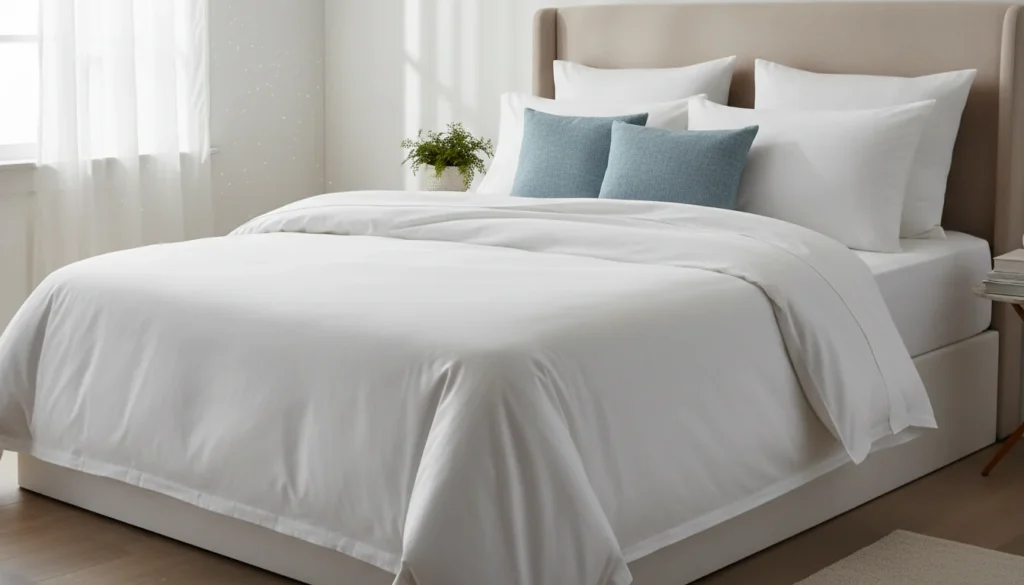
The best bed sheets 2026 are not simply the most expensive or the highest thread count. Good sheets should match your temperature needs, texture preference, maintenance tolerance, and budget. If those factors are wrong, even a well-reviewed set can feel disappointing within a week.
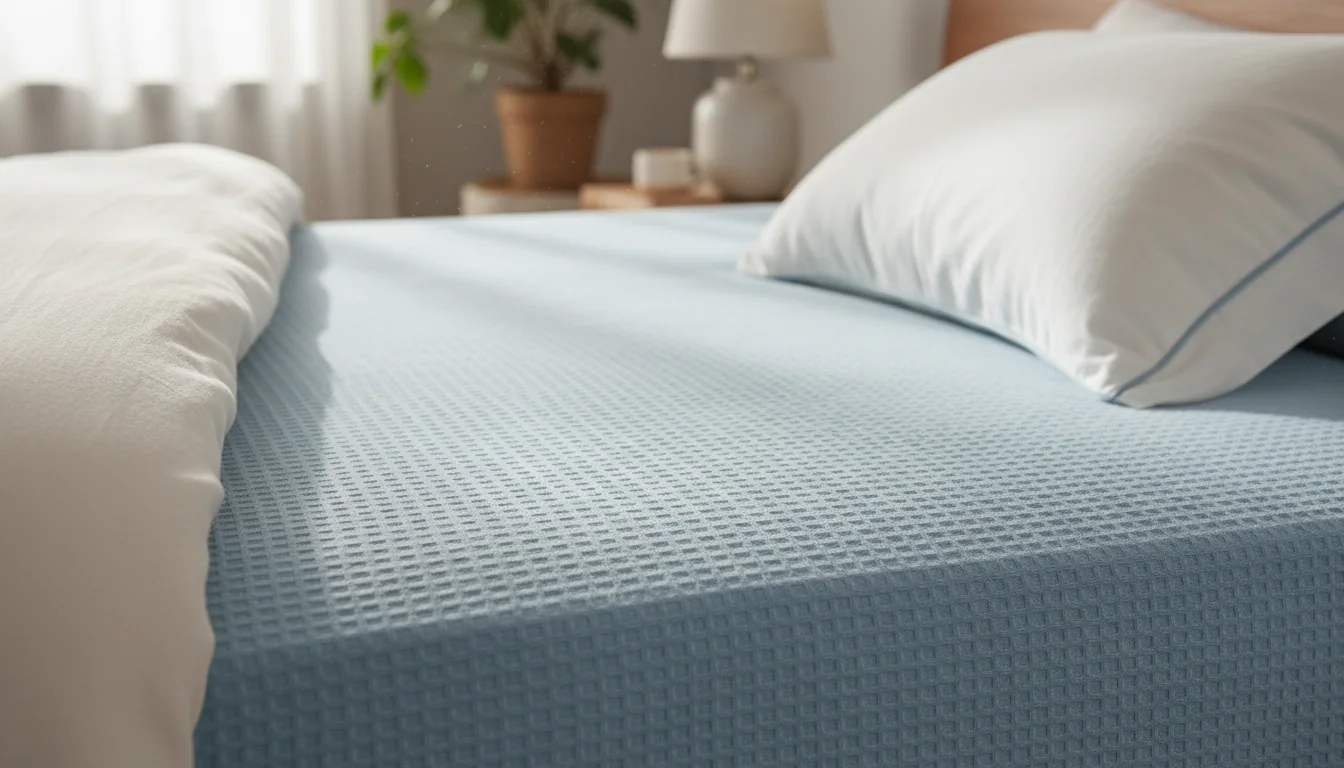
That is why sheet buying works better when you start with material behavior instead of marketing language. Cotton percale, sateen, linen, bamboo-derived fabrics, and blends all feel different in real use. The right set depends on whether you sleep hot, want crisp hotel-style bedding, prefer a softer drape, or care most about easy laundering.
How to choose sheets by sleep preference
- Hot sleepers: usually do best with breathable cotton percale, linen, or other airy weaves rather than heavy sateen.
- Soft-feel shoppers: often prefer sateen or well-finished cotton blends with a smoother hand.
- Easy-care households: should pay attention to wrinkle behavior, shrinkage risk, and whether the set needs delicate handling.
- Budget-first buyers: should prioritize fabric honesty and fit over inflated thread-count claims.
Material tradeoffs that matter more than hype
Cotton percale
Usually crisp, breathable, and a good fit for people who want a cooler, cleaner feel. Percale can feel less silky at first, but many sleepers prefer that matte hotel-sheet finish.
Cotton sateen
Smoother and often a little warmer, with a softer drape. A good fit for shoppers who want comfort and a slightly more polished feel, but not always the coolest choice.
Linen
Breathable and relaxed-looking, with a more textured hand feel. Strong option for warm climates or people who like a casual bedroom look and do not mind some wrinkling.
Bamboo-derived or cooling-oriented options
Can feel soft and cool to the touch, but the best choice still depends on weave, weight, and care instructions. Cooling claims should be evaluated carefully, not accepted on branding alone.
The buying checklist worth using in 2026
| Factor | Why it matters | Good sign | Red flag |
|---|---|---|---|
| Material clarity | Determines feel and care | Clear fiber and weave details | Only vague softness language |
| Pocket depth | Affects actual fit | Brand explains mattress-height range | No fit guidance |
| Care instructions | Impacts long-term satisfaction | Simple wash guidance | High-maintenance instructions hidden until purchase |
| Cooling claims | Often oversold | Explained through weave or material | Only vague “temperature regulating” buzzwords |
| Return policy | Sheets are personal | Reasonable trial or returns | Final-sale policy on premium sets |
What to skip
- Thread-count-heavy marketing with little material context
- Sheet sets with unclear pocket depth
- Silky-feel promises if you actually want breathability more than drape
- Cheap sets that feel good for one wash and break down fast
If you are trying to improve the whole sleep setup, our best bedding for better sleep guide can help you decide whether your next upgrade belongs in sheets, pillows, or the larger bed system. And if temperature is the issue, best cooling pillows may solve a bigger part of the discomfort than a sheet swap alone.
Helpful references
Sleep Foundation’s best sheets guide is useful for matching material type to sleeper needs. Good Housekeeping’s best bed sheets roundup is also helpful for understanding how texture, cooling, and durability can differ across categories.
Frequently asked questions
What type of bed sheets are best for hot sleepers?
Usually breathable percale cotton or linen-style sheets are safer starting points than heavier, smoother weaves.
Are expensive sheets worth it?
Sometimes, but only when the material, finish, and fit match how you sleep. Price alone does not guarantee comfort.
What matters more than thread count?
Fiber quality, weave, breathability, fit, and laundering behavior usually matter more in real use.
Percale, sateen, linen, and bamboo-style sheets in real life
Most sheet regret happens because people buy for labels instead of feel. Percale is usually the safest starting point for hot sleepers and anyone who likes a crisp, clean bed. It tends to feel cooler and less slippery, which many people describe as more hotel-like. Sateen, on the other hand, feels smoother and often looks a little richer on the bed, but it can sleep warmer. That is not automatically bad. It can be ideal for sleepers who dislike the drier hand-feel of percale and want a softer drape.
Linen is a different category altogether. It is breathable and relaxed-looking, and many people love the easy texture once it softens. But it is not the right recommendation for everyone. If you want a perfectly polished bed and hate visible wrinkling, linen may annoy you even if you appreciate its airflow. Bamboo-derived viscose or similar ?cooling? options can feel silky and pleasant, but the fabric story is often more complicated than the marketing suggests. The weave, weight, finish, and care instructions still matter. Cooling claims alone do not tell you how the sheet will behave after repeated washing.
What matters more than thread count in 2026
Thread count is still one of the easiest ways for bedding brands to distract buyers. A higher number does not guarantee a better sheet. In many cases it simply means the marketing is louder. Fabric quality, staple length, weave, finishing, and honest fit information tell you more than a big thread-count badge ever will. A well-made cotton percale set with clear care instructions can outperform a supposedly premium set that hides the real fabric details behind buzzwords.
This is also why reading the product page carefully matters. Trust the brands that explain what the sheet is made of, how deep the fitted sheet is, what kind of feel to expect after washing, and what sort of sleeper the set is best for. Be cautious with listings that talk for three paragraphs about luxury and softness but never clearly explain fiber content or mattress fit.
Fit and pocket depth decide whether the set is actually usable
Even a comfortable fabric becomes annoying fast if the fitted sheet pops off the corners, bunches under you, or cannot handle a topper. Before buying, check your mattress height and include any topper or protector you plan to keep on the bed. Then compare that real number with the brand’s pocket-depth guidance. This sounds basic, but it is one of the most practical buyer filters because a poor fit ruins the sleep experience no matter how nice the fabric feels in your hand.
If you share a bed, fitted-sheet stability matters even more. Movement from a partner exposes weak elastic and shallow pockets quickly. A trustworthy sheet set should stay put through normal sleep, not require constant re-tucking every morning.
How maintenance changes whether a sheet set is worth the money
Some sheets feel impressive on day one but become a chore in real life. If a set requires delicate cycles, special detergents, or air-drying you know you will not stick to, it may not be a smart buy for your household. Easy-care sheets often produce better long-term satisfaction because they fit the routine you already have. That matters for families, renters, pet owners, and anyone using shared laundry machines.
Look for straightforward wash guidance, realistic shrinkage expectations, and reviews or testing notes that mention how the sheet changes after repeat laundering. Good sheets should feel good after real use, not only during the first week out of the package.
Which bed-sheet profile fits different sleepers best?
- Hot sleeper: start with percale or linen before chasing specialty cooling buzzwords.
- Softness-first shopper: try sateen or a smoother cotton blend, but compare warmth honestly.
- Busy household: choose easy-care cotton or a durable blend with clear wash instructions.
- Luxury-look shopper: focus on weave, drape, and finish quality instead of only price.
- Sensitive sleeper: prioritize fabric feel against skin after washing, not just in-store softness.
When sheets are not the first thing you should upgrade
Sometimes the sheet set is not the problem. If you wake with a sore neck, wake up because of shoulder pressure, or feel unsupported rather than overheated, a pillow or topper may produce a bigger improvement than a new set of sheets. This is why bedding decisions work better in order of pain point. Use sheets to fix feel, breathability, and maintenance problems. Use pillows or toppers to fix support and pressure issues.
That practical order also protects your budget. Buyers often overspend on a full ?sleep refresh? when one targeted upgrade would have solved the real problem. Good bed-sheet advice should help you avoid that mistake, not encourage it.
Final takeaway
The best bed sheets 2026 are the ones that fit your sleep temperature, touch preference, and maintenance tolerance. Shop by material behavior and fit details first, and you will usually make a more reliable choice than chasing thread-count marketing.